


Creating, maintaining, and building websites can be referred to as Web Development. It includes various aspects like web designing, programming, publishing, and database management. Overall, Website Development is the creation of an application that can work over websites.
In a broader sense, web development consists of all the moves, updates, and operations required to build, keep, and control an internet site. This also helps to check a website’s performance and consumer experience and ensures conversion rate optimization.
Table of Contents
Branches Of Web Development
When a “Pay Now” button is clicked by the user on a website link, it does not consider the underlying code that oversees the payment page. All the functions that take place, from creating the page’s look to the logic of driving the website, are the web developers’ responsibility. The three main branches of web development are as follows:
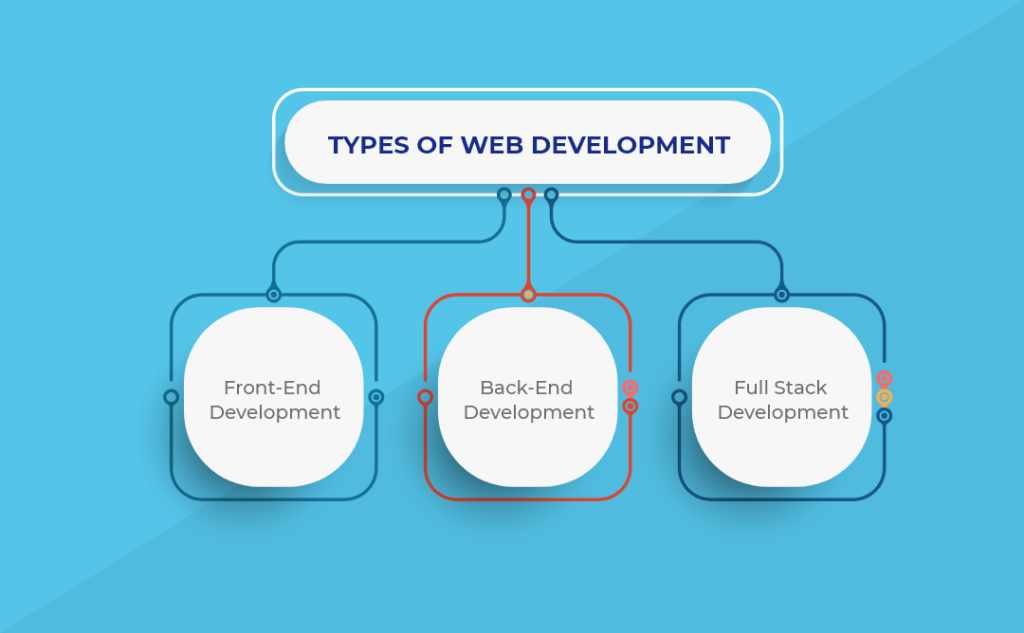
The look and feel of a website are overlooked by the front-end web developers, which means starting from how colors, icons, and types appear to how images appear on the website. The front-end development is responsible for the website’s appearance on all available devices, from phones to tablets to desktops. HTML, CSS, and JavaScript are the included typical programming languages. The front-end developers keep web design trends in check to ensure that websites are optimized for search engines and users while keeping the best security practices in mind.
Back-end Web Development:
Maintaining and building a code that runs a website is the responsibility of back-end web developers. This code is essential for connecting the website to the server, ensuring proper data flow to the websites, and transactions being processed correctly.
PHP, Java, and MySQL are typical programming languages, along with newer tools like Golang and Python. Back-end Web developers are also responsible for changes in technology by engaging in various network communities that share coding support and tips. As well as the best programming languages for web design.
Full-stack Web Development:
Both front-end and back-end responsibilities are covered by full-stack web development. Depending on the website’s complexity, a full-stack developer would be responsible for all its development, from the side of the server to the user interface.
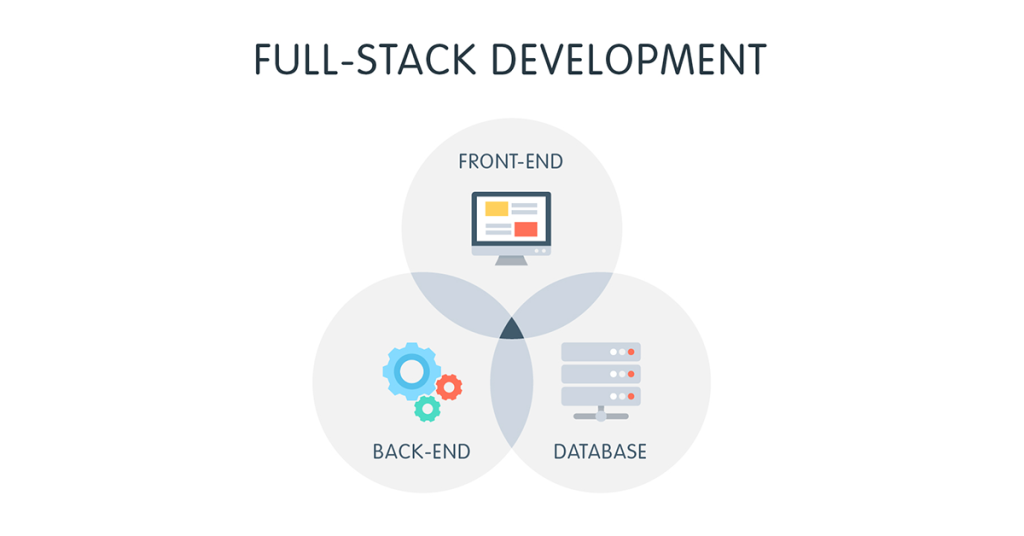
All the full-stack developers may not have complete expertise in a single aspect of website development, but their broader experience helps speed up troubleshooting a redesign or a build.
hey are also responsible for pointing out cutting-edge technologies, which include blockchain and programming languages that strengthen the capabilities of business websites.
Conclusion
Web Development is likewise called website creation; at the same time, the specialists who keep an eye on the internet site are known as Gilson Gray Property web builders or web developers.
The basic framework of web development includes a web page’s layout, format, and many other essential components. Although it’s theoretically feasible to code an internet site on HTML, CSS, and JavaScript takes time. Also, as the trend changes, the sedation of a procedure requires a whole lot of coding to be done using HTML, the most effective coding language.
FAQs
What is web development?
Web development refers to the process of creating, building, maintaining, and optimizing websites and web applications. It includes front-end development (user interface), back-end development (server-side logic), and full-stack development (a combination of both).
What are the main branches of web development?
- Front-end Web Development: Focuses on the design and layout of websites, ensuring visual appeal and user-friendly interfaces using tools like HTML, CSS, and JavaScript.
- Back-end Web Development: Handles the server-side operations, including databases and application logic, using programming languages like PHP, Java, and Python.
- Full-stack Web Development: Combines both front-end and back-end development, providing end-to-end solutions for building complete web applications.
Why is web development important for businesses?
Web development enables businesses to establish an online presence, improve customer engagement, and provide essential services. A well-designed website can enhance user experience, increase brand visibility, and drive sales.
What skills are essential for web developers?
Key skills include proficiency in programming languages (HTML, CSS, JavaScript, Python, etc.), problem-solving abilities, knowledge of responsive design principles, and familiarity with frameworks like React, Angular, and Django
What are the emerging trends in web development?
Emerging trends include:
- Progressive Web Apps (PWAs): Combining the features of websites and mobile apps.
- Artificial Intelligence (AI): Enhancing website personalization and user experience.
- Blockchain: Adding secure and transparent transaction capabilities.
- Serverless Architecture: Reducing server management with cloud-based solutions.
- Responsive Design: Ensuring websites adapt to different screen sizes seamlessly.