It is one of the most common assumptions in cat ownership. My cat never goes outside, so they do not need vaccines. It makes intuitive sense on the surface. If your cat is not out in the world mixing with other animals, what exactly are they being protected from?
Table of Contents
- What Indoor Actually Means for a Cat’s Exposure Risk
- The Vaccines That Matter Regardless of Indoor or Outdoor Status
- Where the Indoor vs Outdoor Distinction Actually Matters
- What Changes When a New Cat Joins the Household
- How Often Do Indoor Cats Actually Need Vaccines
- FAQs
- Does my indoor cat in Encino legally need a rabies vaccine?
- My indoor cat has never been sick. Do they still need the FVRCP vaccine?
- How do I know which vaccines my indoor cat actually needs?
- Can my indoor cat skip the annual vet visit if they are not due for vaccines?
- What if my indoor cat escaped outside briefly?
- Indoor Does Not Mean Invincible
The honest answer is more nuanced than most owners expect, and for cat owners in Encino specifically, where the combination of urban density, wildlife activity, and multi-pet households creates more exposure risk than it might seem, it is worth understanding clearly before you decide to skip your cat’s next vaccine appointment.
This is not a post designed to alarm anyone or push unnecessary procedures. Some vaccines genuinely are less critical for a strictly indoor cat than for one who goes outside. But some are just as important regardless of lifestyle, and knowing which is which helps you make a genuinely informed decision rather than one based on a reasonable-sounding assumption that does not hold up under scrutiny.
For Encino cat owners who want to talk through which vaccines their indoor cat actually needs, finding a cat vaccination clinic near you in Encino that approaches the conversation individually rather than applying a blanket protocol makes all the difference.
What Indoor Actually Means for a Cat’s Exposure Risk
The word indoor covers a much wider range of situations than most owners think about when they use it. A cat who has never set foot outside since the day they came home as a kitten is genuinely different from a cat who is mostly indoors but occasionally slips through a door left open, or one who lives with other cats who do go outside, or one who spends time on a balcony or screened porch with access to outdoor air and insects.
Even for a cat who is as indoor as it gets, exposure routes that owners rarely consider still exist. A new kitten or rescue brought into the home can carry diseases that were not detected at intake. A pet sitter or house guest who has been around other cats can carry viral particles on their clothing. Insects, including mosquitoes, can enter through window screens and transmit certain pathogens. Bats, which occasionally find their way into homes in the Encino area, represent a genuine rabies exposure risk that has nothing to do with whether a cat goes outside.
None of this means indoor cats are constantly at risk. It means the assumption that indoor equals fully protected is not as watertight as it feels, and that the vaccine conversation is worth having with a veterinarian near you in Encino who knows your cat’s specific situation rather than making a blanket decision based on a general category.
The Vaccines That Matter Regardless of Indoor or Outdoor Status
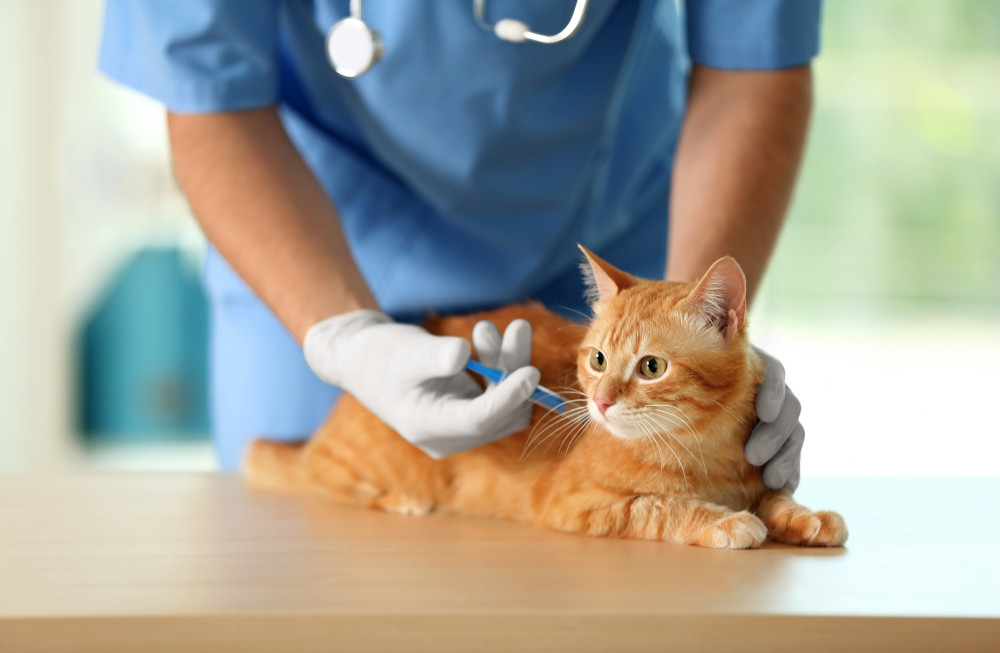
Some vaccines are recommended for every cat regardless of how they live, and the reasoning behind each one is worth understanding on its own terms.
Rabies is the clearest example. California law requires rabies vaccination for cats regardless of whether a cat goes outside. The legal dimension aside, the biological reality is that rabies exposure does not require a cat to roam freely. A bat finding its way into a home, which happens more commonly than most people realize in suburban areas of Encino, is enough. A cat that encounters a rabid bat indoors without being vaccinated is in genuine danger, as is any person in the household who might be exposed secondarily.
FVRCP vaccine for cats, the combination covering feline viral rhinotracheitis, calicivirus, and panleukopenia, is the other non-negotiable for virtually every cat, regardless of lifestyle. Panleukopenia in particular is an extraordinarily resilient virus that can survive in the environment for extended periods and be carried into a home on shoes or clothing without any direct animal contact. For a cat living in an apartment building where neighbors have cats and shared hallways exist, the exposure risk is real even without a single outdoor excursion.
Where the Indoor vs Outdoor Distinction Actually Matters
The vaccines where lifestyle genuinely changes the recommendation are the non-core or lifestyle vaccines, and this is where the conversation gets more individualized.
FeLV vaccine for cats is strongly recommended for cats with any outdoor access or exposure to cats of unknown status. For a genuinely indoor-only cat in a single-cat household with no new animals being introduced, the risk is low enough that many vets consider it optional rather than routine. This is one of the clearest examples where a cat’s indoor status meaningfully changes the recommendation.
The same applies to certain other non-core vaccines that are relevant primarily for cats with outdoor exposure or specific geographic risk factors. The point is that the lifestyle conversation should happen at a vaccine appointment rather than replacing it entirely. A vet who asks the right questions about your cat’s living situation, household composition, and any exposure history gives you a genuinely useful recommendation. One who applies the same protocol to every cat regardless of lifestyle, or conversely, one who dismisses vaccines entirely for indoor cats, is not approaching the question with enough nuance.
What Changes When a New Cat Joins the Household
This is the scenario that catches the most indoor cat owners off guard, and it is worth covering specifically because it is so common.
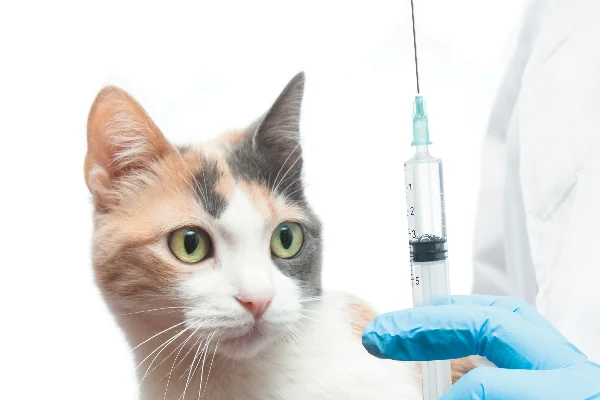
When a new cat, kitten, or rescue is brought into a home with an existing indoor cat, the existing cat’s exposure profile changes overnight. The new arrival may carry diseases that were not detected during intake, may not be fully vaccinated, or may have had outdoor exposure before coming into your home. A resident cat who has been considered low risk because of their indoor lifestyle is suddenly sharing space with an animal whose history may be incomplete.
Getting the resident cat’s vaccinations current before introducing a new animal, rather than after, is the safer approach. It is also a good opportunity to speak with your vet near you in Encino and review whether the existing schedule still makes sense given the change in household circumstances.
How Often Do Indoor Cats Actually Need Vaccines
This is a question worth asking specifically because the answer has changed somewhat as vaccine science has evolved.
For core vaccines like FVRCP, the initial kitten series is followed by a booster at one year and then a shift to a three-year interval in most cases for healthy adult cats. Rabies follows a similar pattern, with a one-year product used first and a three-year product for subsequent boosters. California law accepts the three-year rabies vaccine for cats, so annual cat vaccination in Encino is not a legal requirement once a cat is current on a three-year schedule.
What has not changed is that regular wellness visits remain just as important regardless of the vaccine schedule. A lot of what gets caught in a cat’s annual or biannual exam has nothing to do with vaccines and everything to do with the physical examination, bloodwork, dental assessment, and weight monitoring that happen alongside it. Skipping the vaccine appointment because your cat is indoor often means skipping the whole visit, and that is where the real risk for indoor cats tends to accumulate quietly over time.
FAQs
Does my indoor cat in Encino legally need a rabies vaccine?
Yes. California law requires rabies vaccination for cats over four months of age, regardless of lifestyle. There are no indoor-only exemptions.
My indoor cat has never been sick. Do they still need the FVRCP vaccine?
Yes. Panleukopenia can be carried into a home on clothing or shoes without any direct animal contact. Never being sick is partly a result of being vaccinated, not a reason to stop.
How do I know which vaccines my indoor cat actually needs?
Core vaccines apply to virtually all cats. Beyond that, your veterinarian near you in Encino should ask about household composition, new animals being introduced, and any indirect exposure before making lifestyle vaccine recommendations.
Can my indoor cat skip the annual vet visit if they are not due for vaccines?
No. Wellness exams catch dental disease, weight changes, early organ issues, and behavioral changes that have nothing to do with vaccines. The exam is the reason to go.
What if my indoor cat escaped outside briefly?
Mention it to your vet at the next visit, particularly if your cat had contact with other animals or was in an area with wildlife activity. A brief escape is unlikely to change the core vaccine recommendation but is worth discussing.
Indoor Does Not Mean Invincible
The assumption that indoor cats are fully protected from disease without vaccines is understandable but not accurate. For cat owners in Encino who want to make genuinely informed decisions, understanding exactly where the risk lies and where it does not is worth a conversation with a vet who knows your cat and your household.
The right approach is not vaccinating every indoor cat for everything, but having a thoughtful, individualized discussion rather than making a blanket decision in either direction. Encino Pet Hospital and Emergency is open seven days a week, including holidays, and offers personalized cat vaccinations in Encino, with schedules built around each cat’s actual lifestyle and risk profile.

Call Encino Pet Hospital & Emergency or visit our website to book your cat’s next appointment.