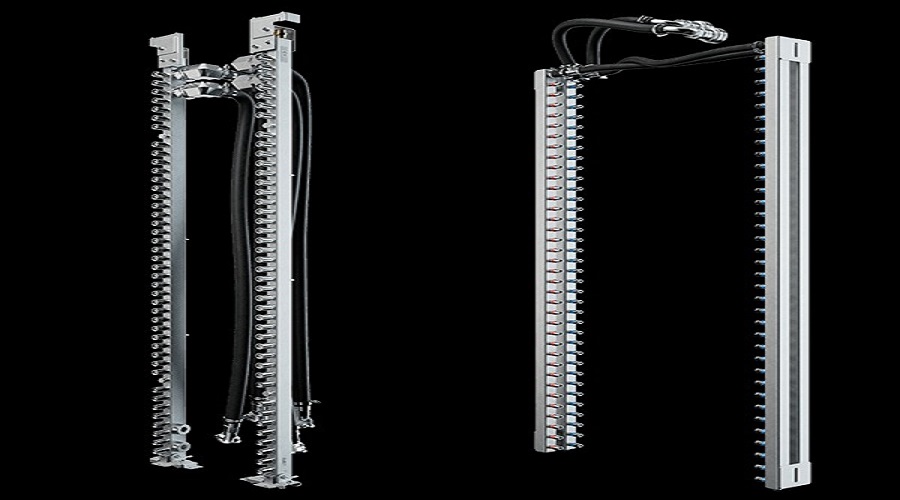
As modern computing continues to scale, data centers are facing unprecedented thermal challenges. High-performance workloads such as artificial intelligence, cloud computing, and advanced analytics generate significant heat that traditional air cooling systems struggle to manage efficiently. In particular, the DLC rack manifold plays a crucial role in distributing coolant efficiently across server systems. Understanding how a system works is essential for IT planners, engineers, and organizations moving toward sustainable and high-density data center designs.
Table of Contents
What Is a Rack Manifold?
A DLC rack manifold is a liquid distribution system designed to manage coolant flow within a server rack. It acts as a central hub that directs cooling fluid to and from multiple servers within a rack environment.
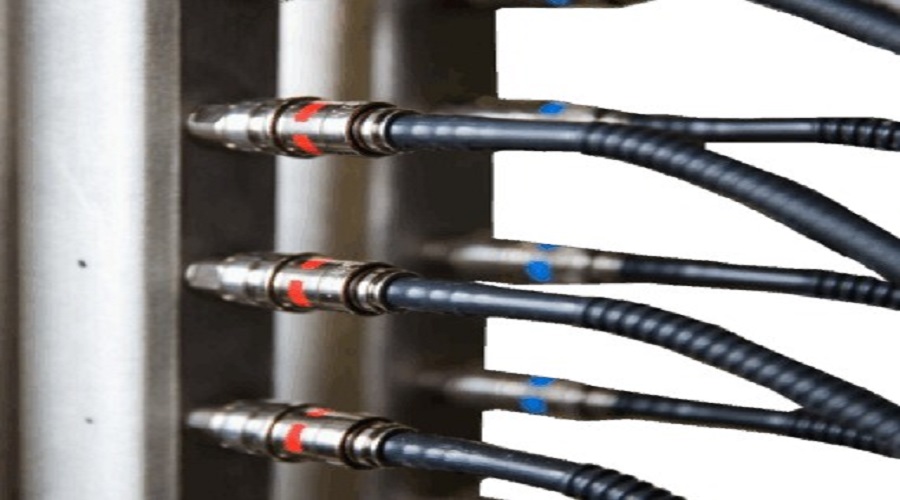
In a liquid-cooling, coolant is delivered through a structured network of pipes and connectors to ensure each server receives consistent thermal regulation. This system replaces traditional airflow-based cooling with a more efficient liquid-based approach.
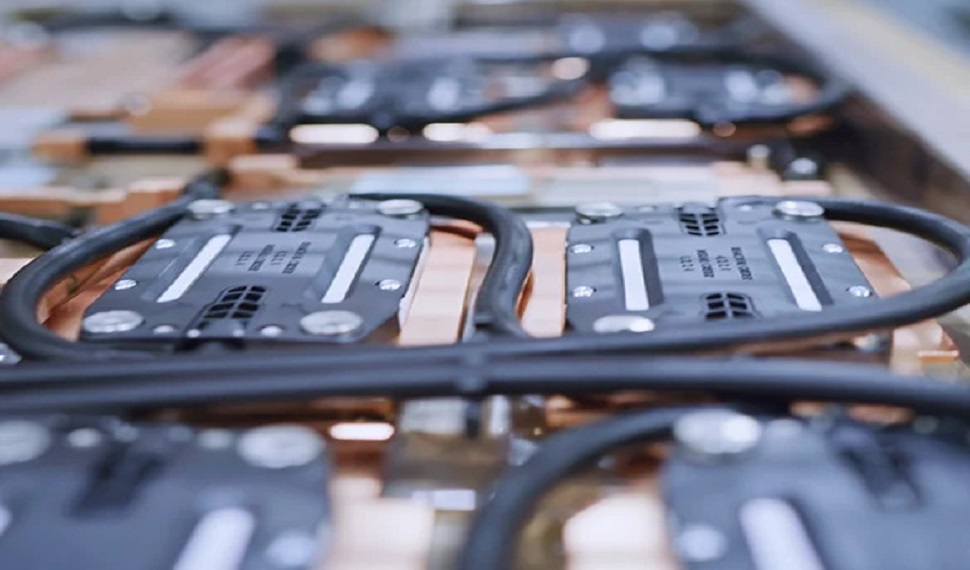
A server manifold is typically installed within or alongside a rack enclosure and connects to cold plates or liquid-cooled server components.
Why Rack Manifolds Matter in Modern Infrastructure?
Modern computing environments require precise thermal control across Canada. Efficient heat management ensures stable performance, higher reliability, and optimized energy use in demanding workloads.
- Uniform coolant distribution
- Reduced thermal hotspots
- Improved energy efficiency
- Scalability for high-density computing
Without a properly designed manifold, liquid cooling systems would struggle to maintain consistent performance across multiple servers.
Understanding DLC Rack Manifolds
A Direct liquid dooling manifold is a more advanced version of a standard manifold system designed specifically for direct-to-chip liquid cooling. Unlike traditional cooling systems, it delivers coolant directly to server components through tightly integrated loops. This enables more efficient heat transfer and supports higher compute densities. Solutions developed by CoolIT Systems are widely used in environments where performance and thermal efficiency are critical.
Core Function of a DLC Rack Manifold
The primary function of a DLC is to manage coolant flow between:
- Facility water loops
- In-rack distribution systems
- Server-level cold plates
This ensures that every part of the system receives balanced cooling without pressure drops or inefficiencies.
How a Rack Manifold System Works
A system operates as part of a closed-loop liquid cooling infrastructure. It connects external cooling systems to internal server components.
Step 1: Coolant Supply
Chilled liquid is supplied from a facility cooling unit into the liquid cooling manifold.
Step 2: Distribution Through the Manifold
The rack manifold distributes coolant evenly across multiple server connections. This ensures each server receives the required cooling capacity.
Step 3: Heat Absorption
As coolant flows through cold plates inside servers, it absorbs heat generated by CPUs and GPUs across Canada.
Step 4: Return Flow
Heated liquid is returned through the rack manifold system to a cooling plant where it is reconditioned and recirculated. This continuous cycle ensures efficient thermal regulation across the entire data center.
Key Benefits of Rack Manifolds in Data Centers
Improved Cooling Efficiency
A liquid-cooling manifold significantly improves heat-transfer efficiency compared to air-based systems. Liquid absorbs heat faster and more effectively than air, allowing systems to operate at higher performance levels.
Higher Rack Density
With a DLC rack manifold, data centers can support more servers per rack without overheating. This is essential for AI and HPC workloads.
Reduced Energy Consumption
By minimizing reliance on large air-conditioning systems, a manifold system reduces overall energy usage and improves Power Usage Effectiveness (PUE).
Better System Reliability
Stable thermal conditions reduce hardware stress, increasing the lifespan of servers and components connected to the server rack manifold.
Rack Manifolds and Liquid Cooling Technology
The evolution of liquid cooling has made the rack manifold a critical component in modern infrastructure design.
Direct-to-Chip Cooling Integration
A DLC is designed to work with direct-to-chip cooling systems, where coolant flows directly to processors and GPUs.
Advanced Flow Control
Modern rack manifold systems include flow balancing features that ensure consistent cooling performance across all connected servers.
Scalable Architecture
As computing needs grow, liquid cooling systems can scale to support additional racks without major redesigns.
Role of Rack Manifolds in Sustainable Data Centers
Sustainability is a key priority in modern IT infrastructure.
A rack manifold system contributes to greener operations by:
- Reducing energy consumption
- Improving overall system efficiency
By adopting advanced liquid cooling technologies, organizations can align with global sustainability goals while maintaining performance.
Why Do Industry Leaders Use Rack Manifolds?
CoolIT Systems continues to innovate in liquid cooling by developing scalable, efficient rack-manifold solutions. These systems are widely used in hyperscale data centers, AI research environments, and enterprise computing facilities where thermal efficiency is critical.
A well-designed DLC manifold ensures that infrastructure can handle increasing computational demands without compromising stability.
Frequently Asked Questions
What is a rack manifold in data centers?
A rack manifold is a liquid distribution system that directs coolant to multiple servers within a rack to ensure efficient thermal management.
How does a DLC manifold differ from a standard rack manifold?
A DLC is designed specifically for direct liquid cooling systems, delivering coolant more precisely to server components and industrial equipment.
Can liquid cooling manifolds be integrated into existing data centers?
Yes, modern liquid cooling rack manifold systems are designed for scalable integration with existing infrastructure.
What industries benefit most from server rack manifolds?
Industries such as AI, cloud computing, scientific research, and financial modelling benefit greatly from server systems due to their high thermal demands.
Conclusion
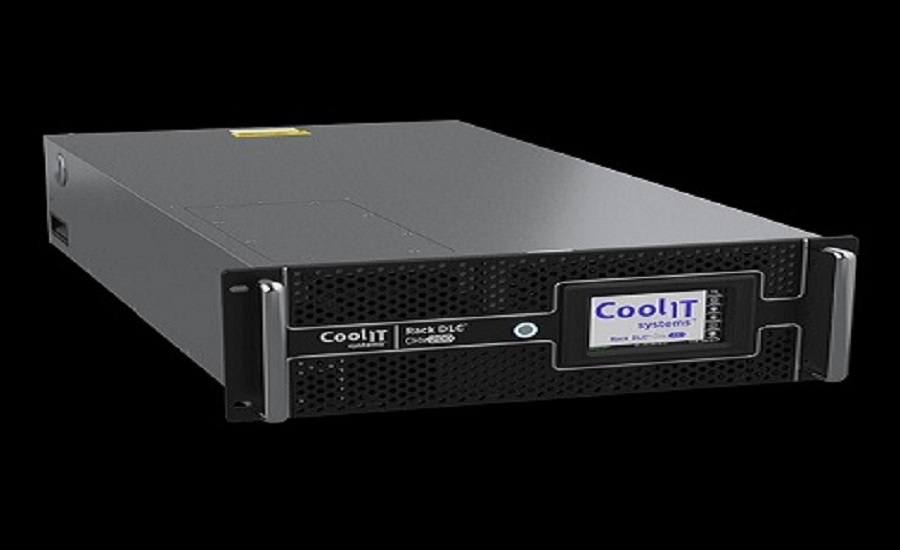
As data centers continue to evolve, the importance of efficient thermal management becomes increasingly clear. Especially the DLC rack manifold, plays a critical role in enabling high-performance computing while maintaining energy efficiency. Through advanced engineering and scalable design, it supports the growing demands of modern workloads and help organizations transition toward more sustainable infrastructure models.
Ready to optimize your data center cooling? Connect with CoolIT Systems to learn how advanced liquid cooling solutions can support your infrastructure goals.